
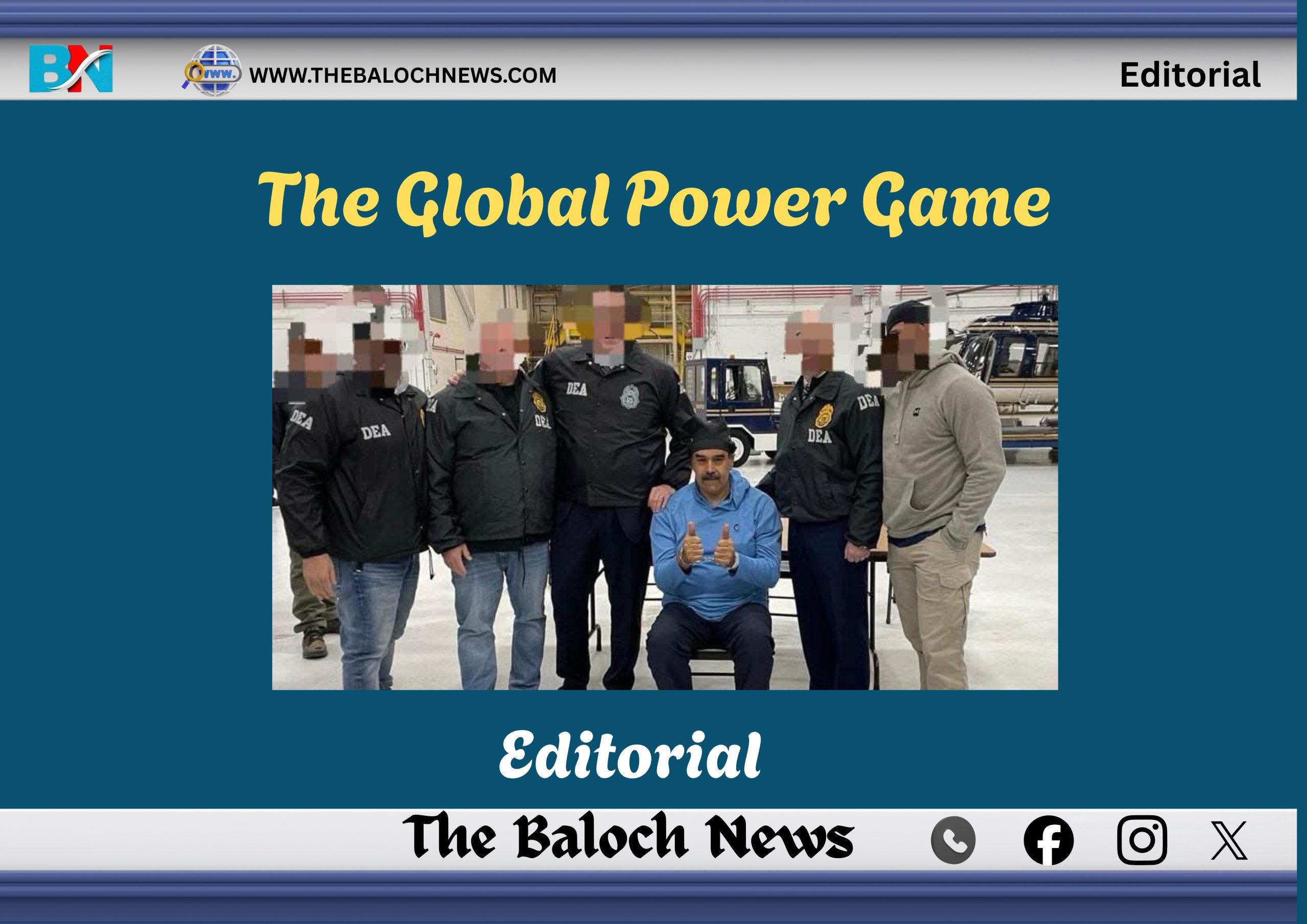
Lately on January 3, 2026, the United States security personnel attacked on the Venezuela’s federal capital, Caracas, on the directions of the US president, Donald Trump, and detained the Venezuelan president, Nicolas Maduro, along with his wife Cilia Flores. In an aftermath presser, the US president stated of “running the country” until there was a “proper transition” of power. The US president says they have the “authority” to arrest, charge and formally use their legal mechanism against anyone – whether a US national or a foreigner – and the arrest of the Venezuelan president and his wife is the series of same doctrine. Trump charged them with “weapon and drug offenses” and kept the couple in a detention center in New York where they are supposed to be produced before the US court of law.
The US president has also warned of a “second attack” in case of non-cooperation from the Venezuelan authorities, while asking its oil reserves companies to intervene in the “world’s biggest oil reserves” and “pay the cost of the attack” along with the expenses it would ensure unless “power transition” in Venezuela. While the Venezuelan Vice-President Delcy Rodrigues, as the country’s Supreme Court also directed, took charge as the president and have vowed to defend the “country from any attack” adding that “they were not anyone’s colony neither would they become”. The world at large, on the other hand, has restrained at the least to “condemn” the attack in practical means, and are more seen as “observing the situations” – or perhaps deafening their ears on the act of another sovereign country’s president-abduction and endorsing the very same openly to be “none of their business”. Trump, on the other hand, is of the view that they would continue what they feel “best for them” even if that is “violation of the international law”. The UN seems hapless, too, like all the other international institutions.
The international law never endorses such arrests and legal trials but US president is “sidelining” the international law, showing the real picture of “Realism Politics”. As a claim, international law, humanity, ethics and international institutions are objective – they vary from country to country and region to region. Because the international politics revolves around “interests” enjoyed by those who have power – power in economy and power in weaponries to fight war. Other than relying on, or referring to, any other internationally endorsed theory, the current US act of “violating international law” and the function of the global institutions and countries merely as “watchdogs” fits best to the suit.
International politics rotates around “national interests”, not the framework or international institutes but only few powerful states. They have the authority to break and reshape laws – or better to say, laws are not for them. We have to comprehend the global power structure, understand how to generate international interests and ensure the very same are backed with monetary, technical and people-centered support. The very best means are producing human resources and ensuring they serve every field and expertise in them – particularly those deeply connected to not only bringing about national developments, but also challenging international settings and making room for themselves in the international power structure.